
when the bronx moved:
dance foundations in 1970
At the turn of the ’70s, New York offered a rich tapestry of contemporary dance. With partner dances, Salsa already enjoyed widespread popularity in prominent night clubs like the Cheetah and the Hunts Point Palace and in outdoor spots like Orchard Beach and even Yankee Stadium. A musical and dance form that emerged in the ’60s, Salsa married older, popular Afro-Cuban styles of music and dance like the Mambo, Cha Cha Cha, and Son with a break step on the second beat and the New York soul and attitude of the Latin boogaloo. The Jitterbug and other offshoots of Lindy Hop, a jazz partner dance created by African Americans in the ’20s in Harlem, remained visible in certain clubs and at family parties, even though swing dancing as a whole had declined in appeal.
Meanwhile, soul, funk, boogaloo, and rock continued to spawn solo freestyle and novelty dancing (like the Funky Chicken). Aside from concerts at venues like the Apollo, the main platforms for this kind of dance were local and national musical variety TV shows like Soul Train, which premiered on October 2, 1971, hosted by Don Cornelius. Soul Train broadcast a curated vision of Black cool into Bronx living rooms every Saturday, showcasing the raw and funky rhythms of musicians like James Brown and the smooth and entertaining steps of the Soul Train Gang and The Lockers.
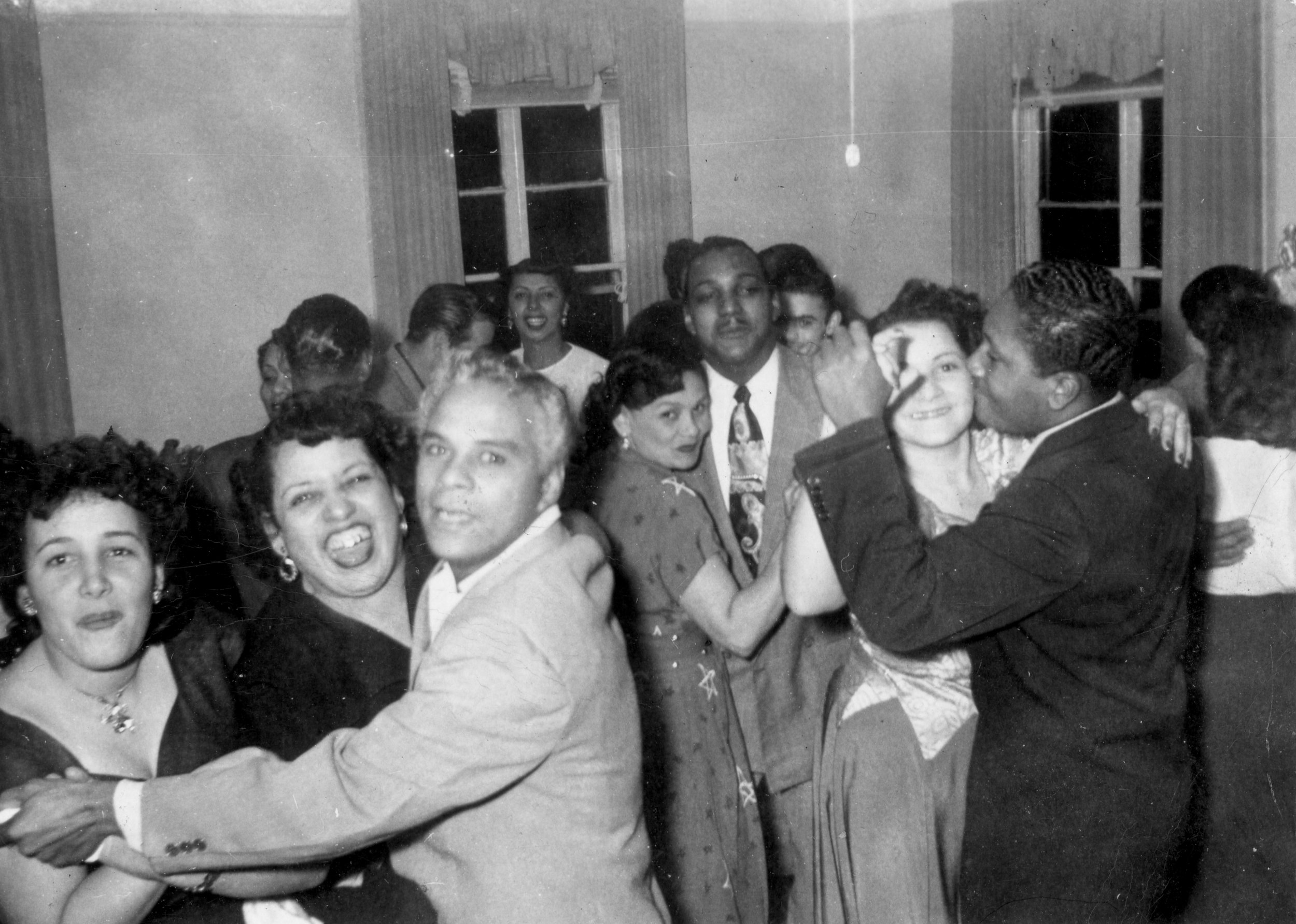
Above: Family dancing the Mambo at a house party in the South Bronx, 1950s. Courtesy of Willie Estrada.
Young Bronxites were not passive consumers. They became active synthesizers, blending dance moves they saw on TV screens, at family parties, and in school yards and other places, creating a generation fluent in multiple physical vocabularies.
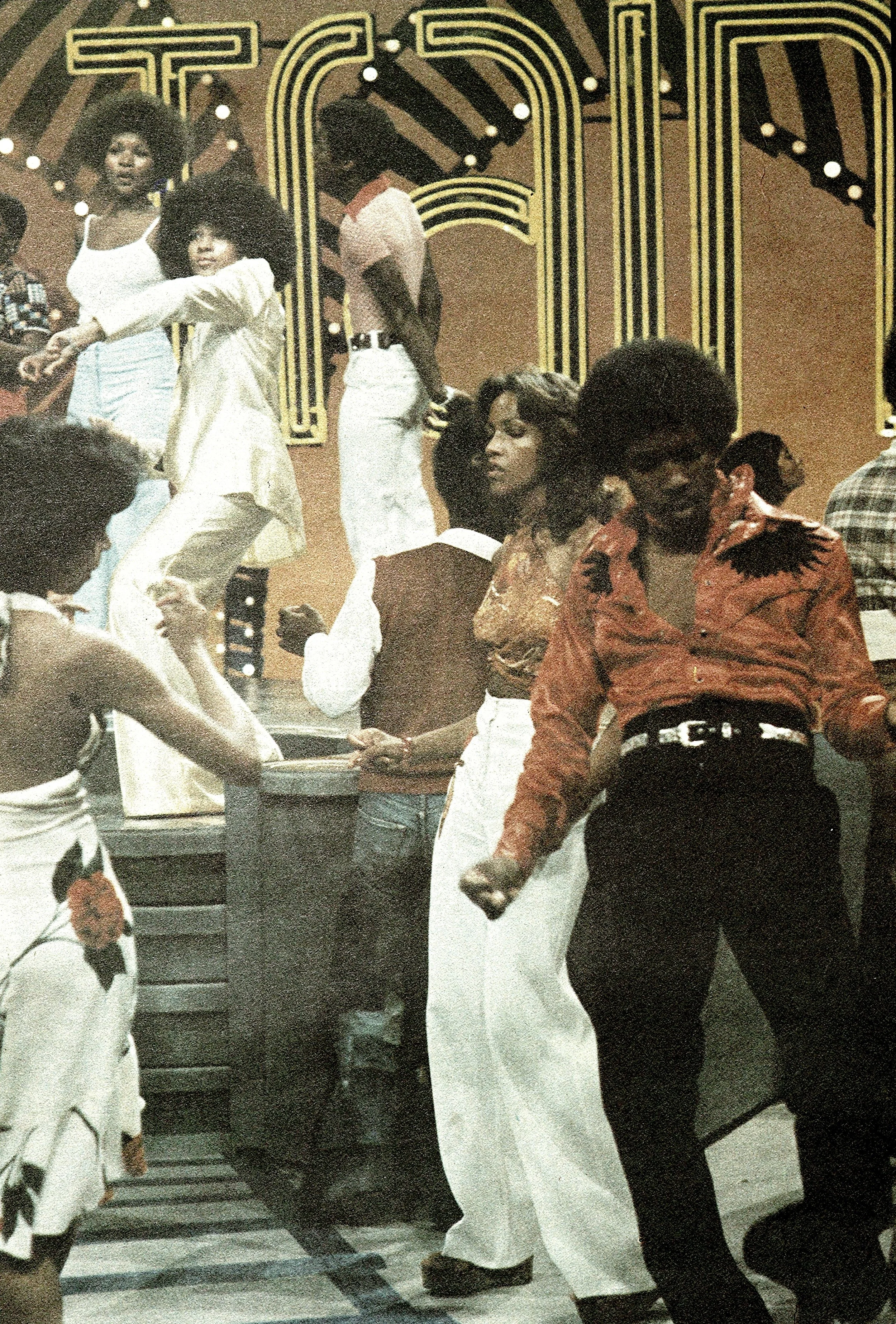
Dancing on Soul Train, 1970s. The Bronx County Historical Society Collections.
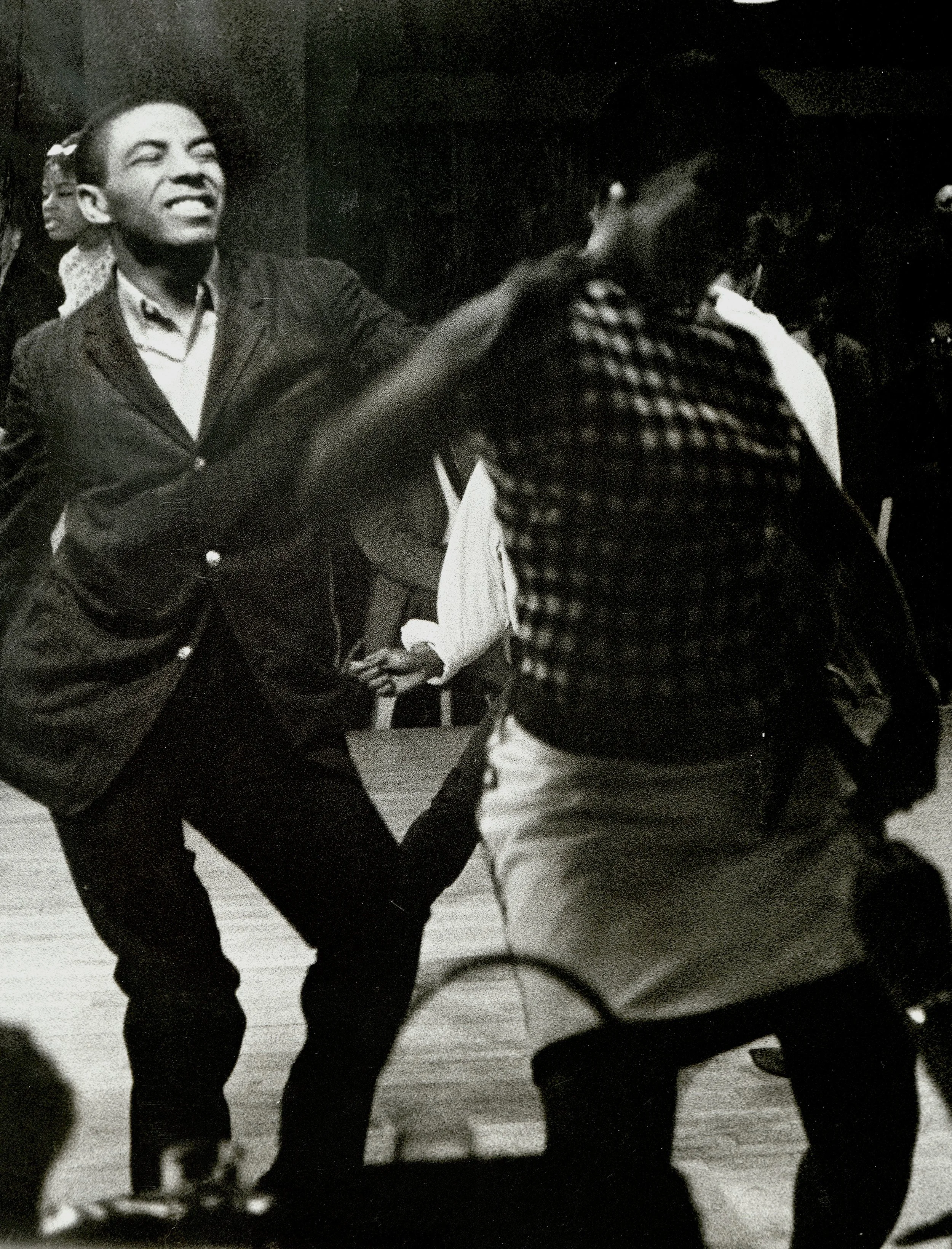
Couple dancing in a Harlem nightclub, late 1960s. The Bronx County Historical Society Collections.
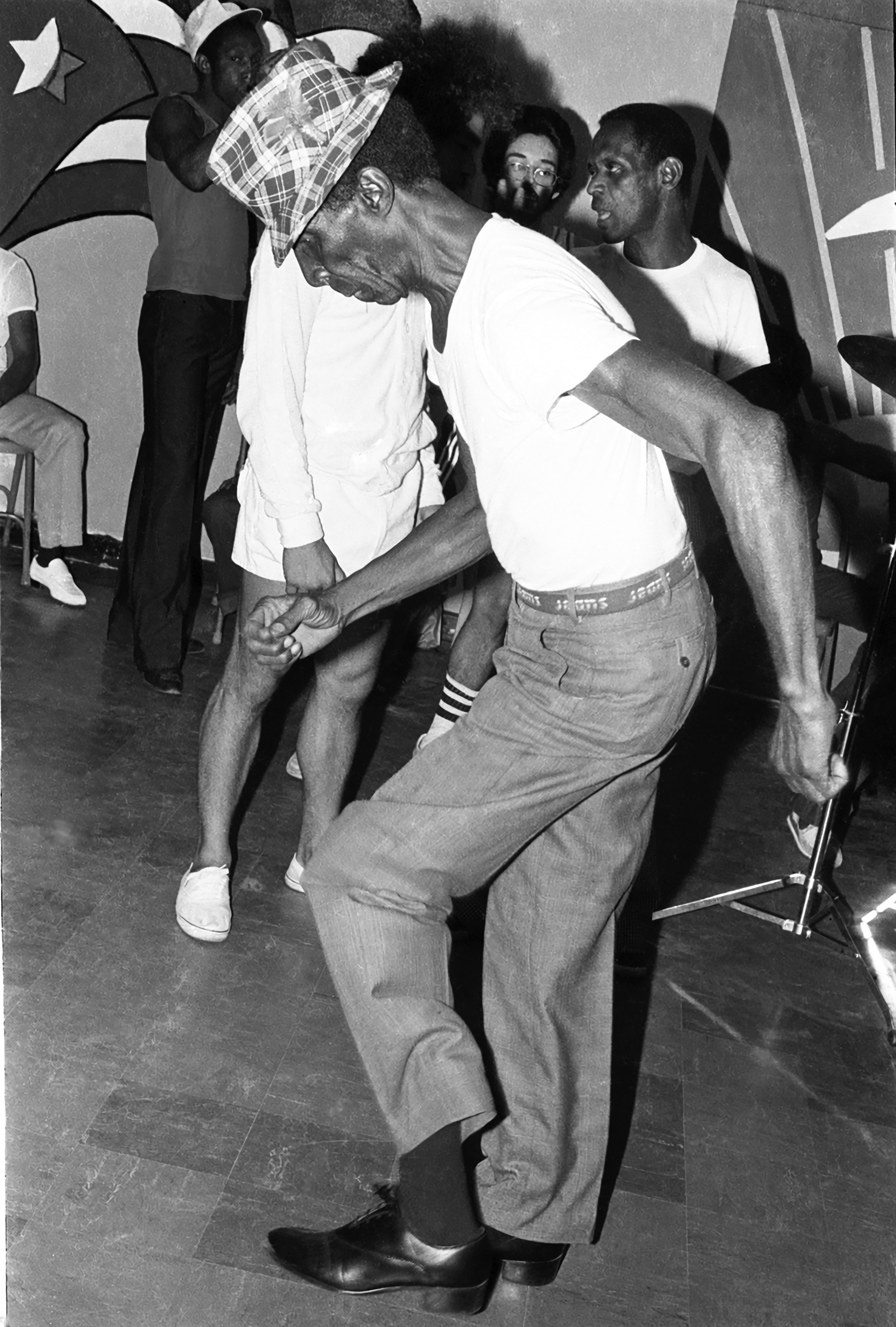
Man dancing rumba, 1979–1980. Courtesy of Carmen Mojica.
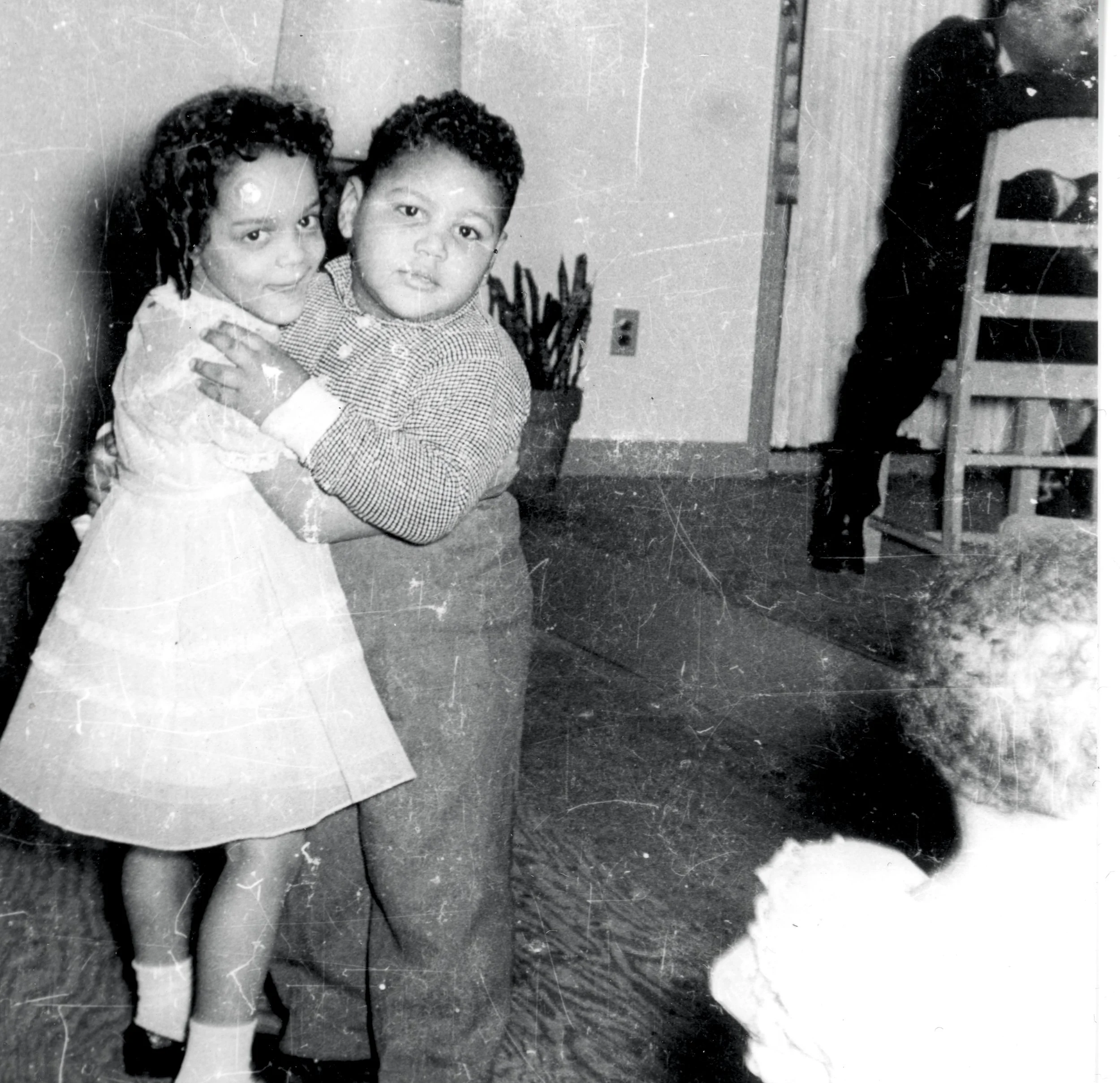
Young cousins dancing the Mambo, c.1960. Courtesy of Willie Estrada.