
when the bronx moved:
ROCKING, 1971–77
While Hustle took over the clubs, East and South Bronx streets, basements, club houses, and community centers cultivated a freestyle dance known as Rocking. Its roots are traced to New York City of the late ’60s, influenced by the stylized movements and territorial realities of returning Vietnam veterans and gang members. The street version of the dance was a standing, ritualized battle, performed face-to-face or in Apache lines, where dancers freestyled while executing sequences of mock combat—punches, hand-grenade throws, machine-gun fire, stabs, and evasions—all with precise, rhythmic timing to hard-hitting soul, rock, and funk records of the day like Jimmy Castor’s “It’s Just Begun” (1972). The goal was to “burn,” or symbolically destroy, your opponent with cleaner execution, sharper poses, and more potent theatrical disrespect.
St. Mary’s Rec Center served as a key arena where Rocking and Hustle grew side-by-side, providing a contained environment for this stylized confrontation. Many dancers at the Center were proficient in both dances, though individuals like Rubberband attained prominence as a Rock Master because of his seamless style and experimentation with early floor moves. From this and similar scenes in Brooklyn, Rocking, like Hustle, spread to the Manhattan clubs, shedding some of its street-toughness for more rehearsed and refined routines and largely abandoning burns.
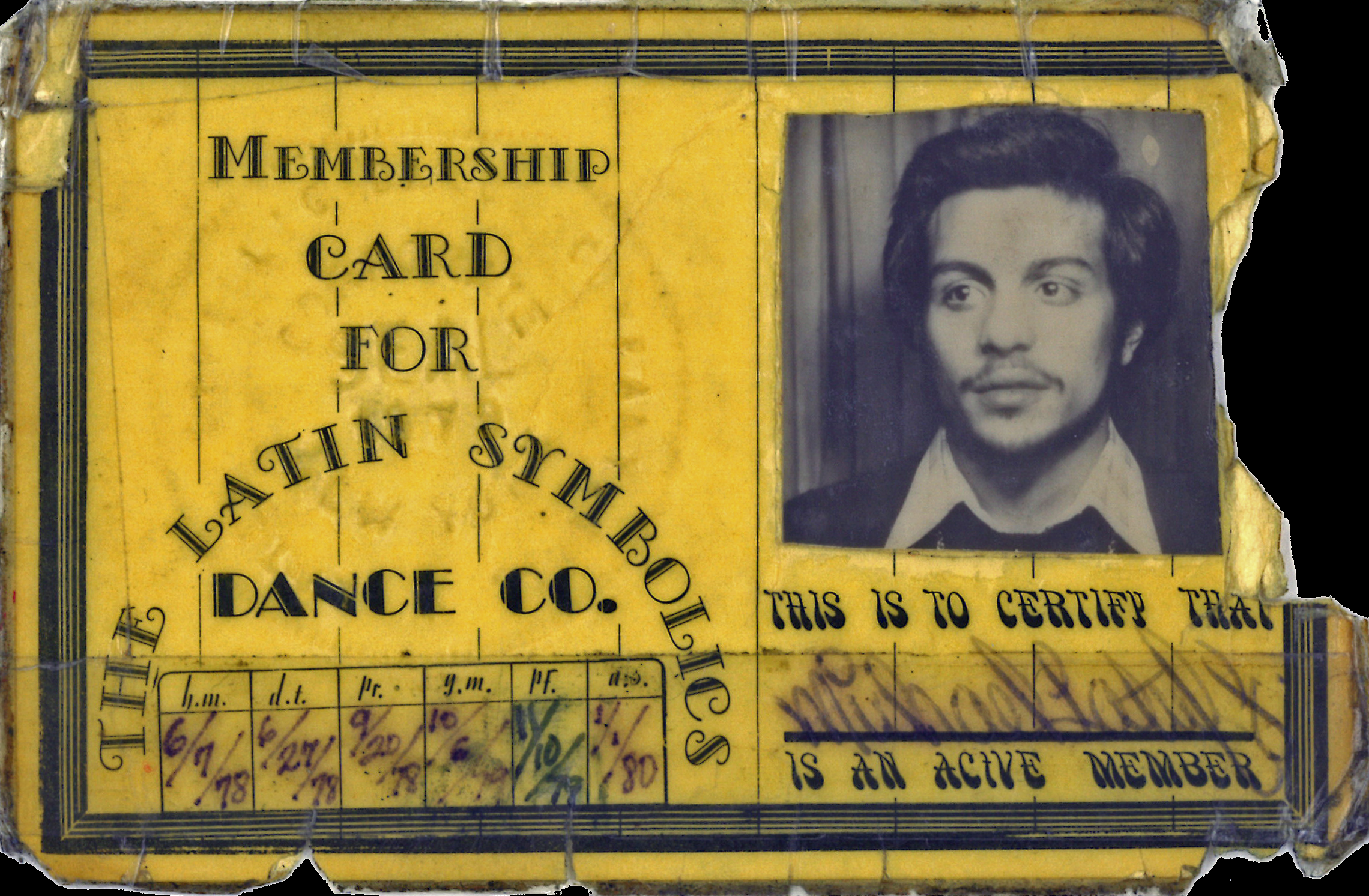
Above: Membership card for the Latin Symbolics, which included competitive Rock dancers, late 1970s. Courtesy of Willie Estrada.
By the mid ’70s, Rock competitions became a part of the burgeoning New York Disco scene, with South Bronx groups like The Rock Masters (later, the Latin Symbolics Rock Team) and duos like Enoch and Papo dominating.
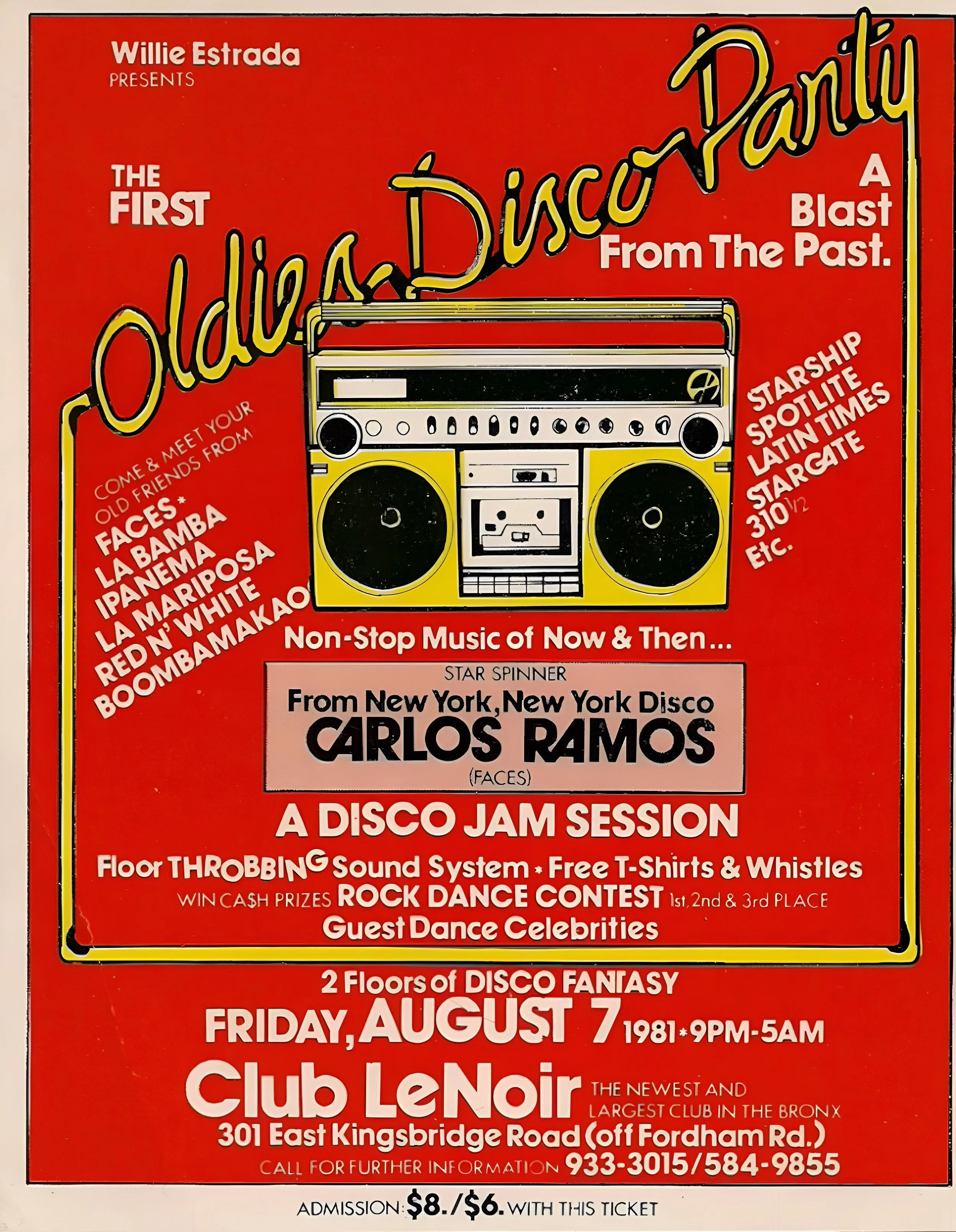
Flyer for Oldies–Disco Party at Club LeNoir in The Bronx, featuring a Rock Dance Contest, 1981. Courtesy of Willie Estrada.
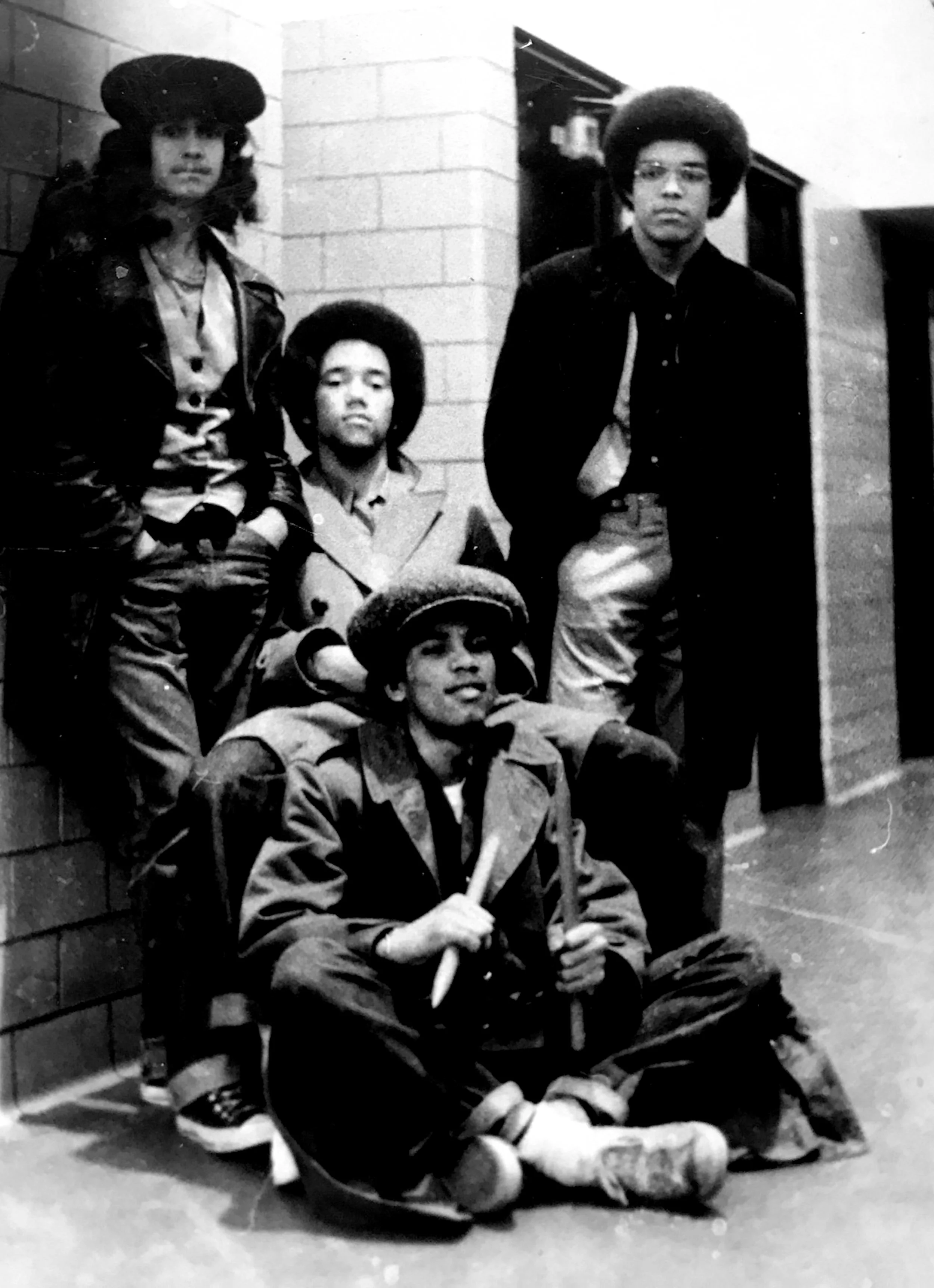
Rock dancers and members of the Imperial Bachelors gang, c.1974. Courtesy of Willie Estrada.
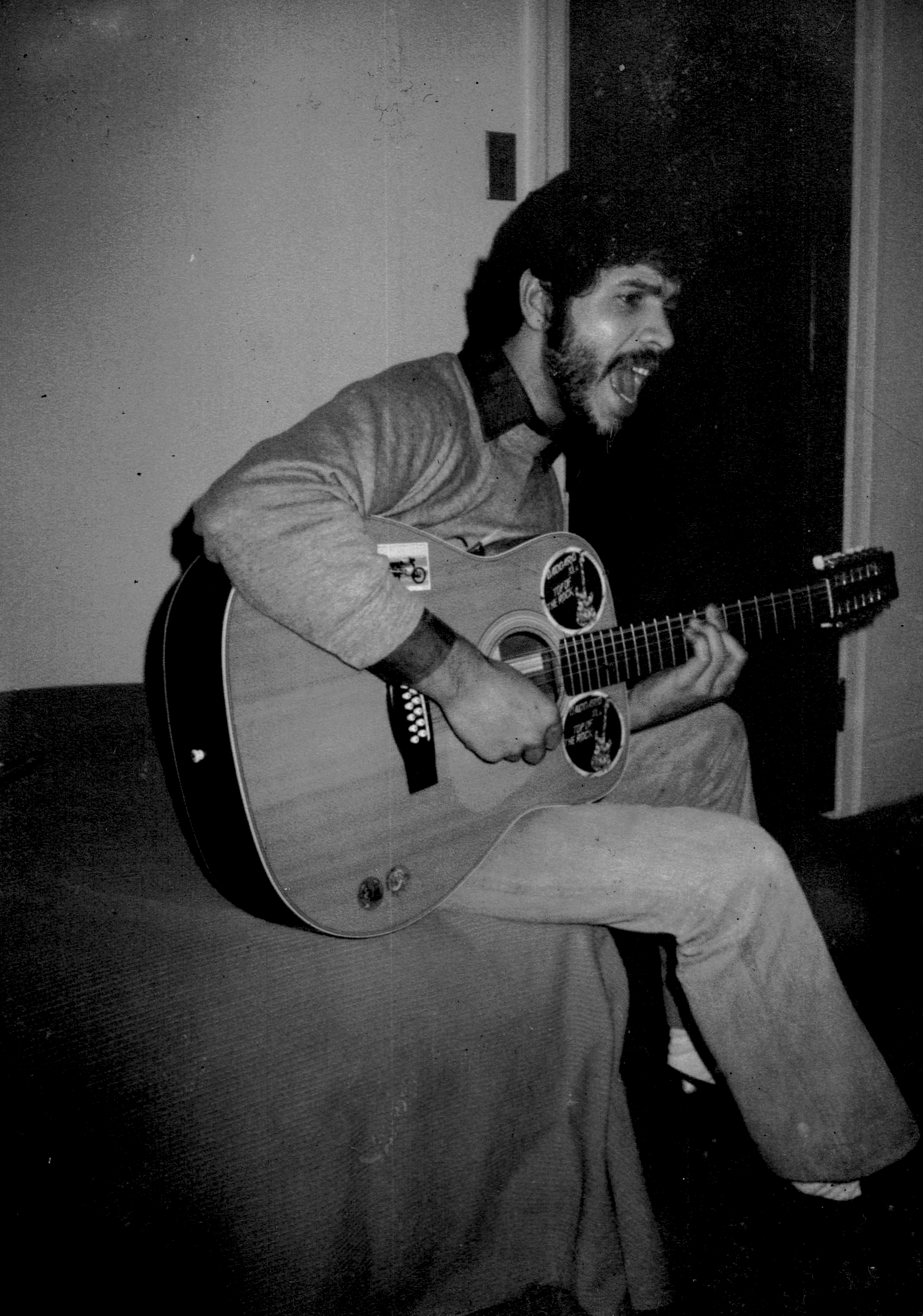
Yellow Benjy (Benjamin Melendez) of the Ghetto Brothers playing guitar. The Ghetto Brothers released "Power/Fuerza" in 1971, which included tracks for Rocking. The Bronx County Historical Society Collections.
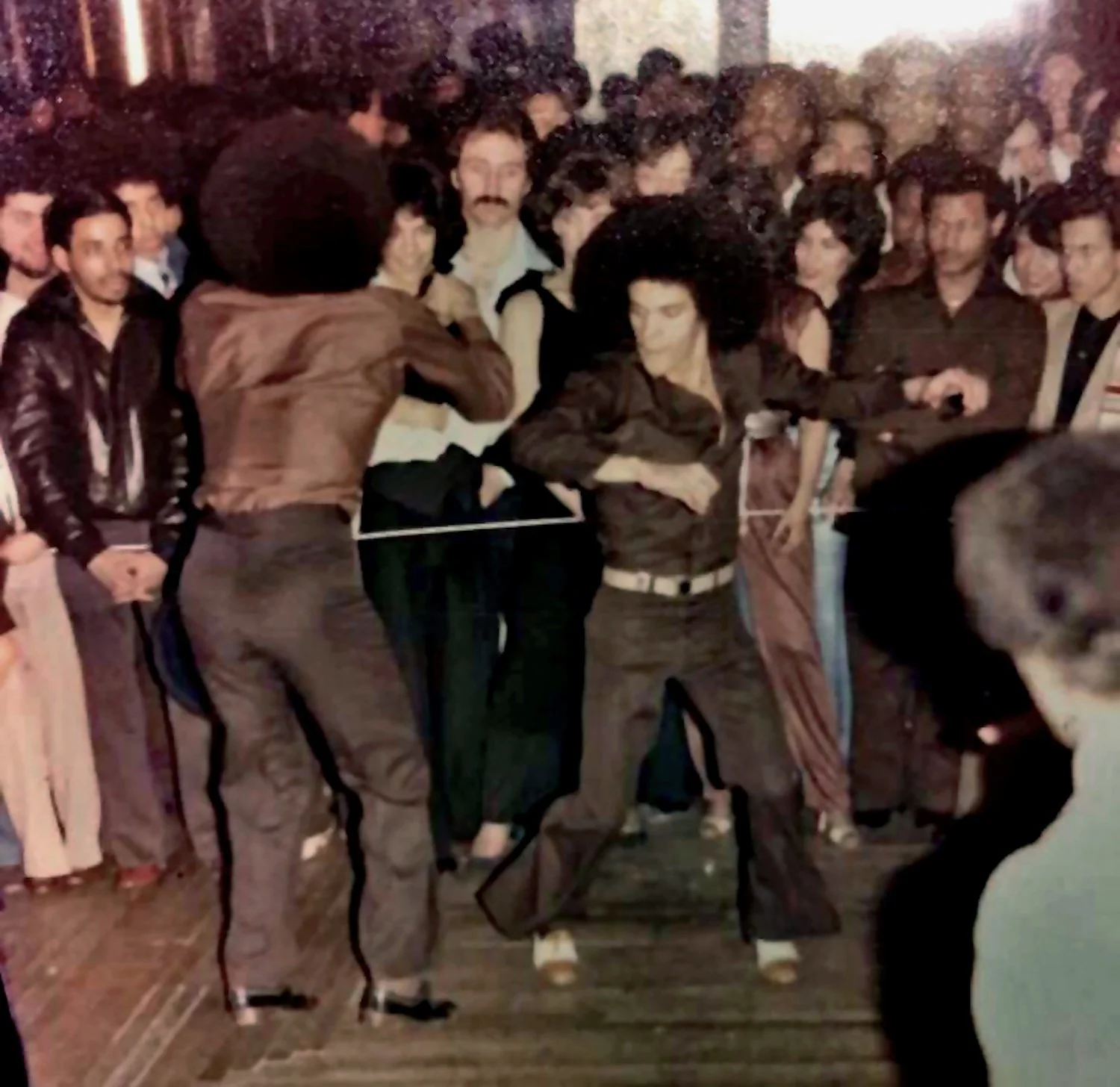
Lucky and Vinny face off in a Rock contest, late 1970s. Courtesy of Willie Estrada.