Calendar of Events
-
![When the Bronx moved flyer]()
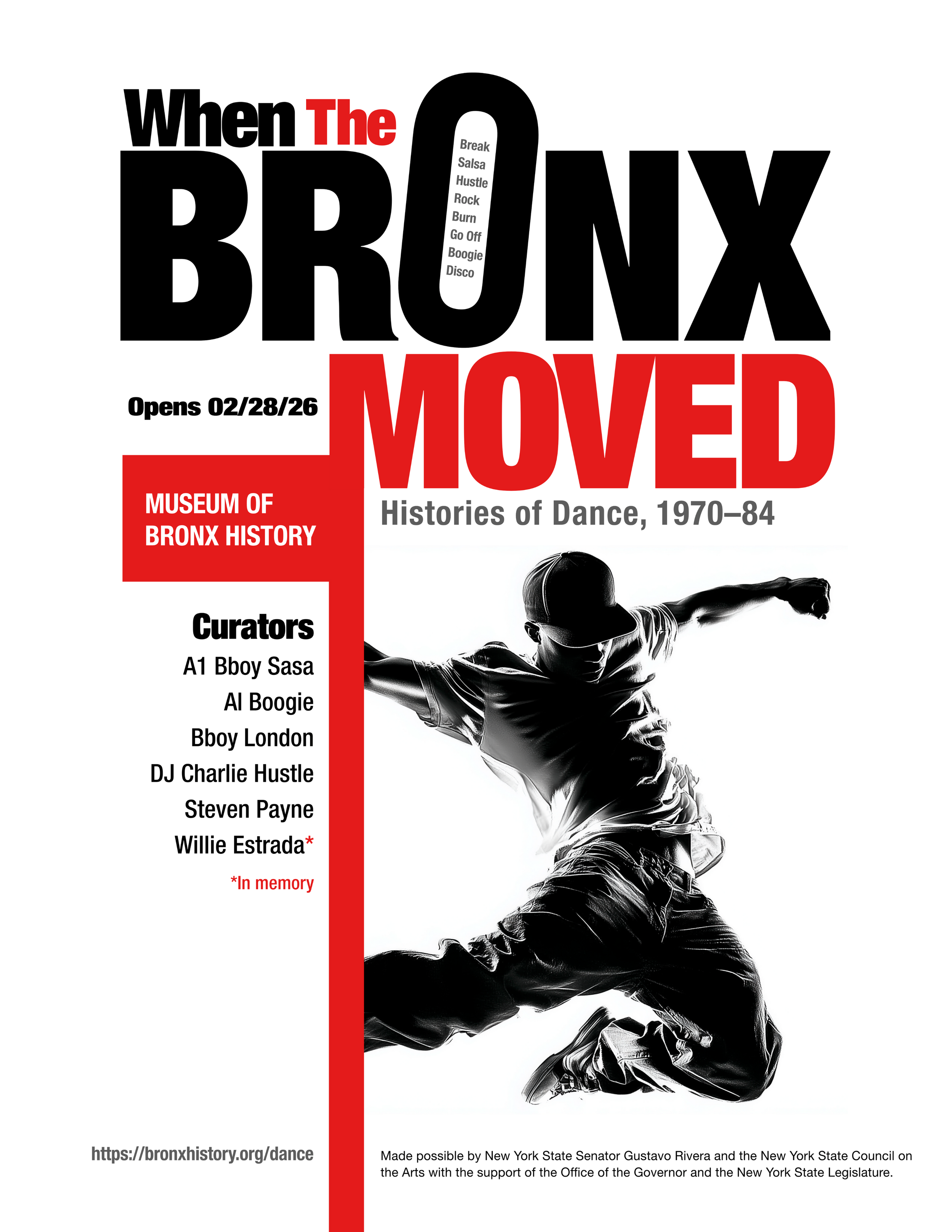
PAST EVENT: When The Bronx Moved Opening Reception
Saturday, February 28, 2026, 4:00pm
Museum of Bronx History
3266 Bainbridge Ave.
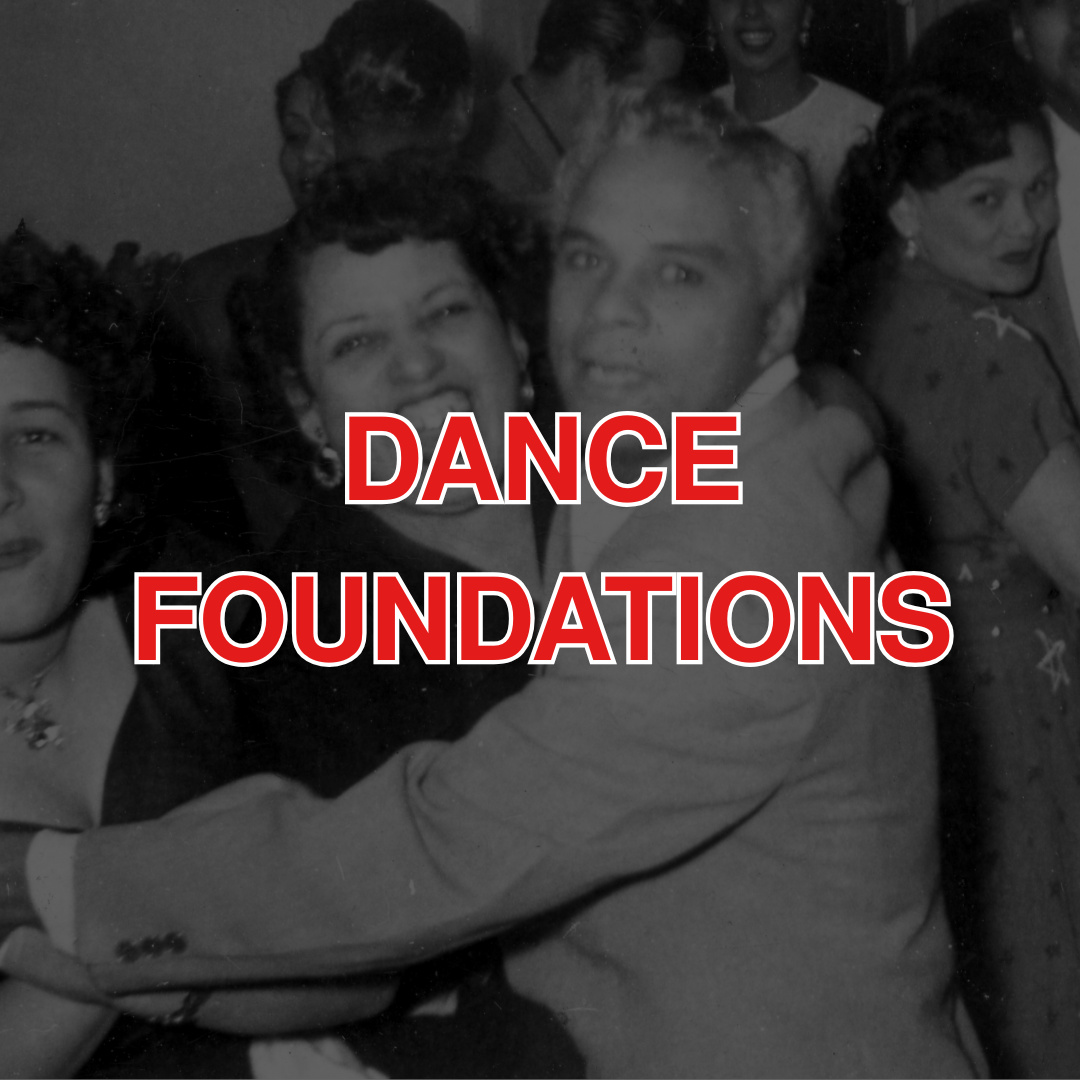
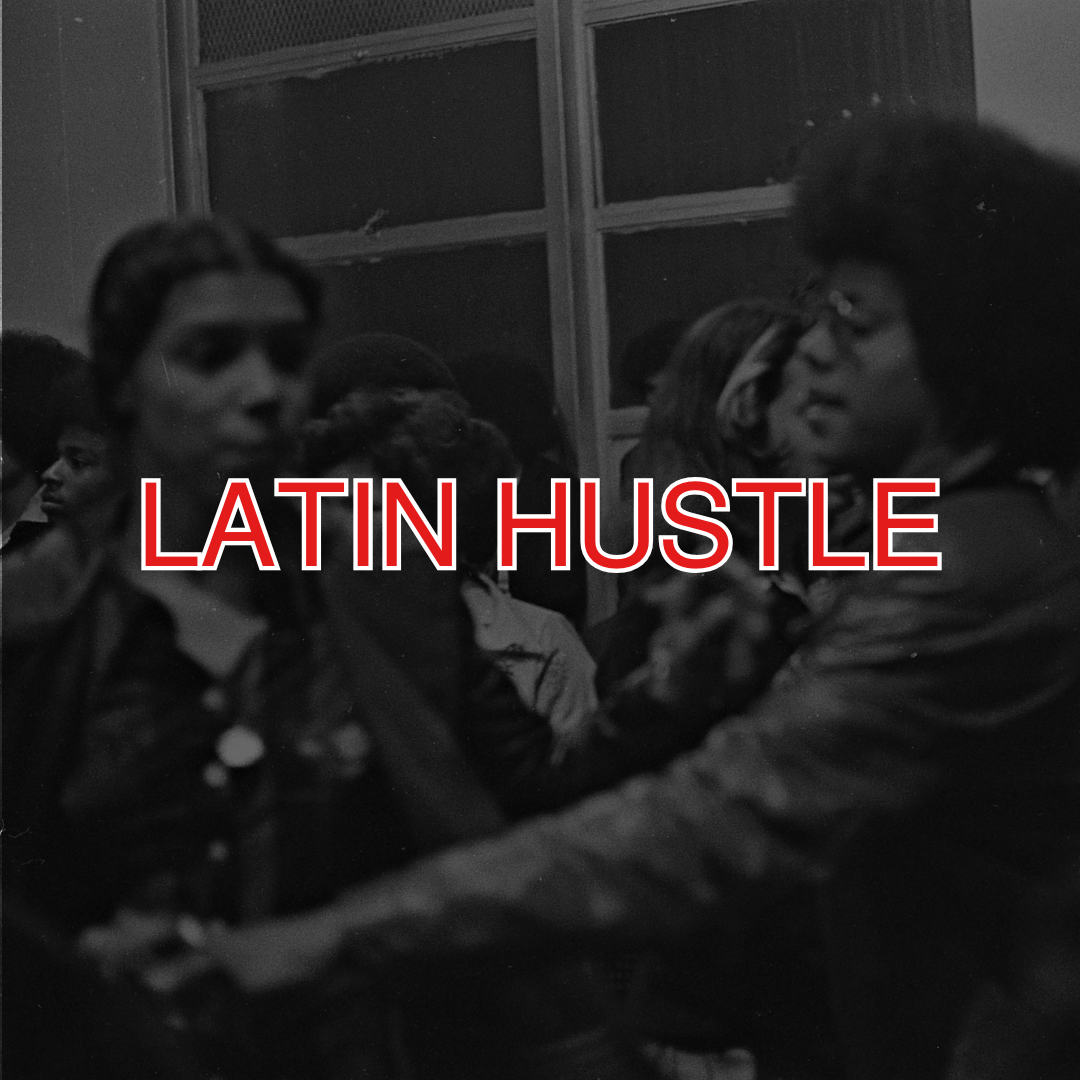
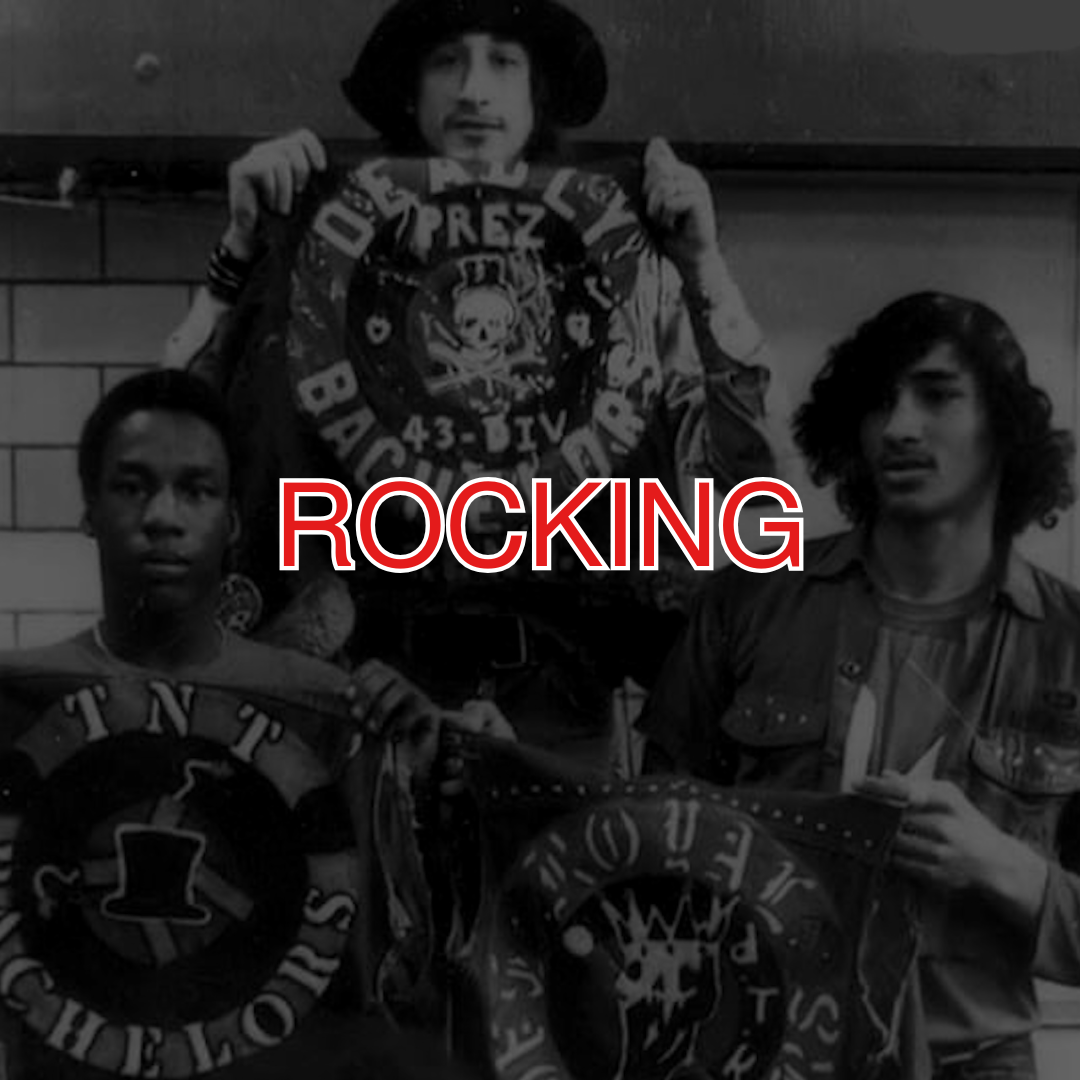
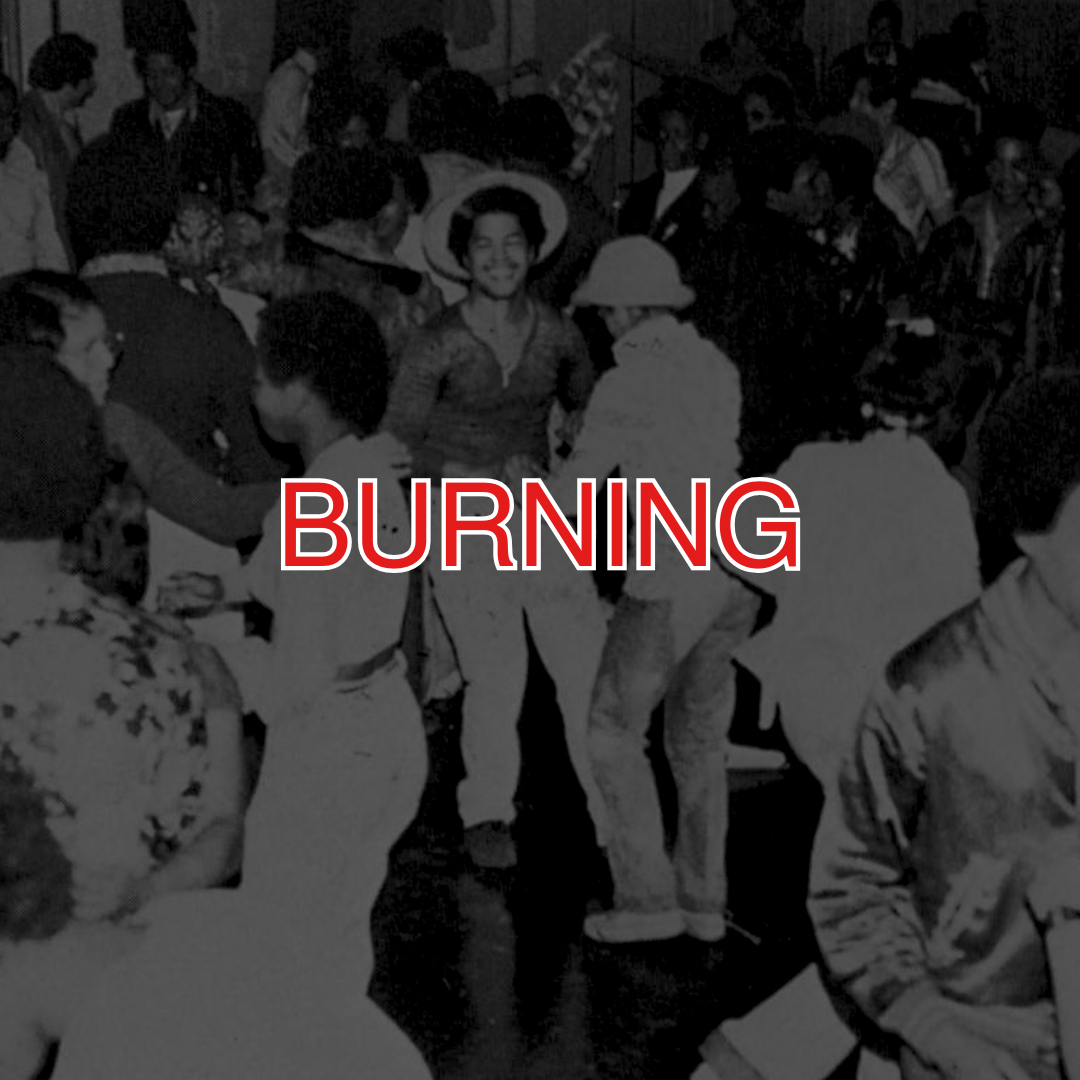
In celebration of Black History month, join BCHS for the opening of a new exhibit on the innovation and development of dance cultures in The Bronx, 1970–84, including Salsa, the Hustle, Rocking, Burning, Breaking, Disco, Boogying, and other forms of African-American and Afro-Caribbean dance. Exhibit features rare personal photos and memorabilia, clothing, oral histories, video clips, and more.
Made possible by New York State Senator Gustavo Rivera and the New York State Council on the Arts with the support of the Office of the Governor and the New York State Legislature. -
![guest tour of dance exhibit with fabel flyer]()
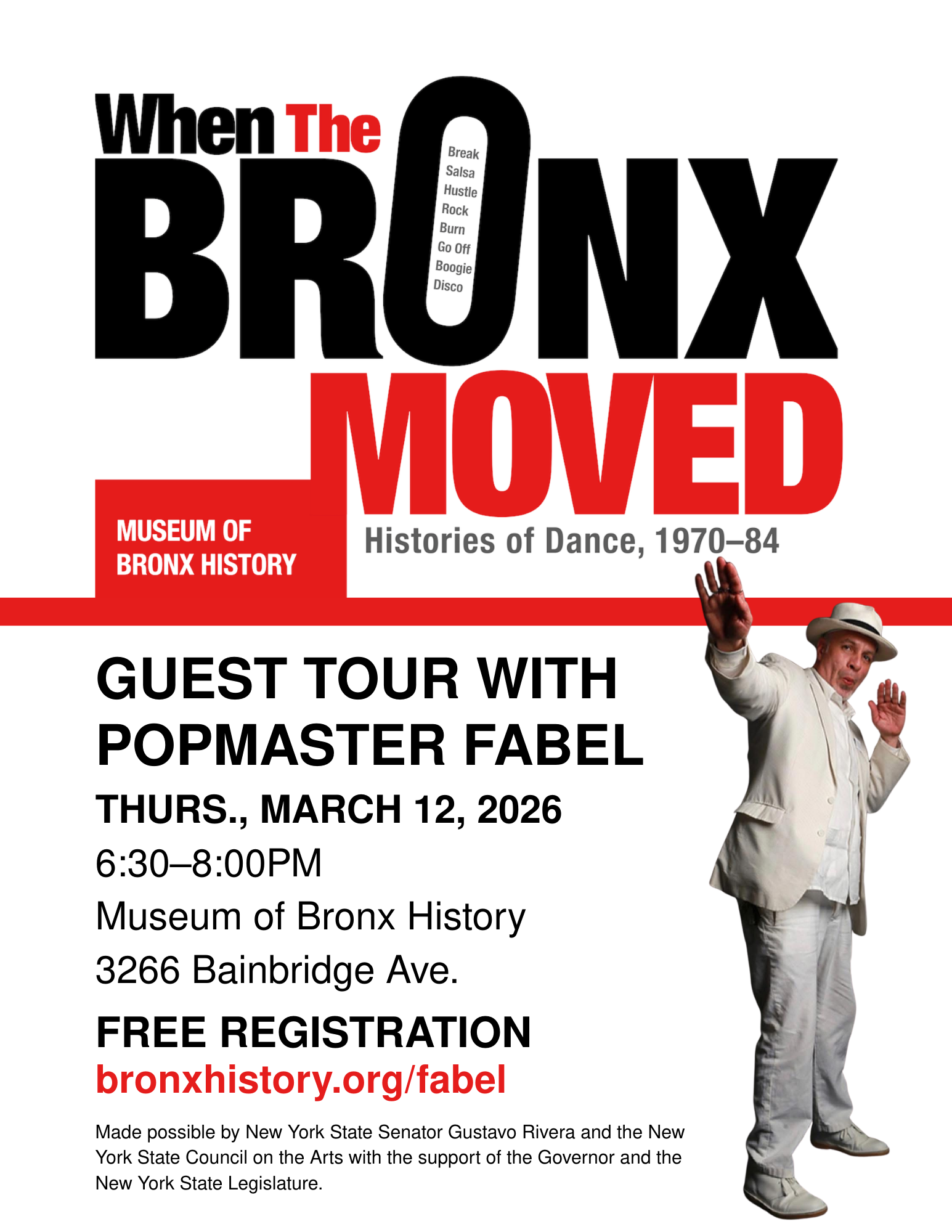
PAST EVENT: Guest Tour with Popmaster Fabel of When The Bronx Moved
Thursday, March 12, 2026, 6:30pm
Museum of Bronx History
3266 Bainbridge Ave.
The Bronx, NY 10467
Join historian, educator, and dance legend Popmaster FABEL for a special lecture and guest tour of "When The Bronx Moved: Histories of Dance, 1970–84." FABEL will share his own experience growing up in New York City during the birth of hip hop and his contributions as a pioneer of the Electric Boogie and hip hop dance more widely. FABEL will guide attendees through the exhibit from his perspective.
Space is limited. Register for free at by clicking on the link below.
Made possible by New York State Senator Gustavo Rivera and the New York State Council on the Arts with the support of the Office of the Governor and the New York State Legislature. -
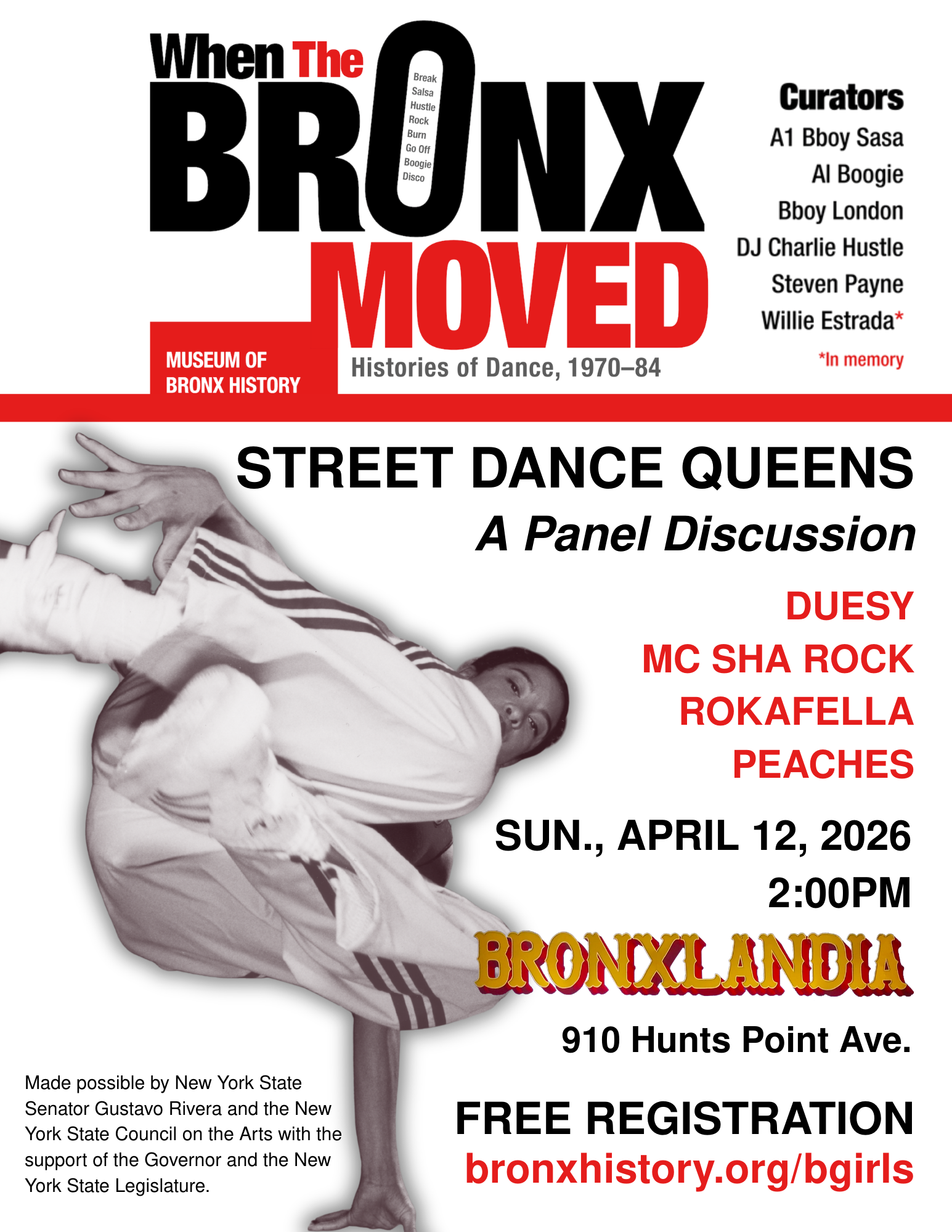
![street dance queens flyer]()
PAST EVENT: Street Dance Queens: A Panel Discussion
Sunday, April 12, 2026, 2:00PM
Bronxlandia
910 Hunts Point Ave.
The Bronx, NY 10474
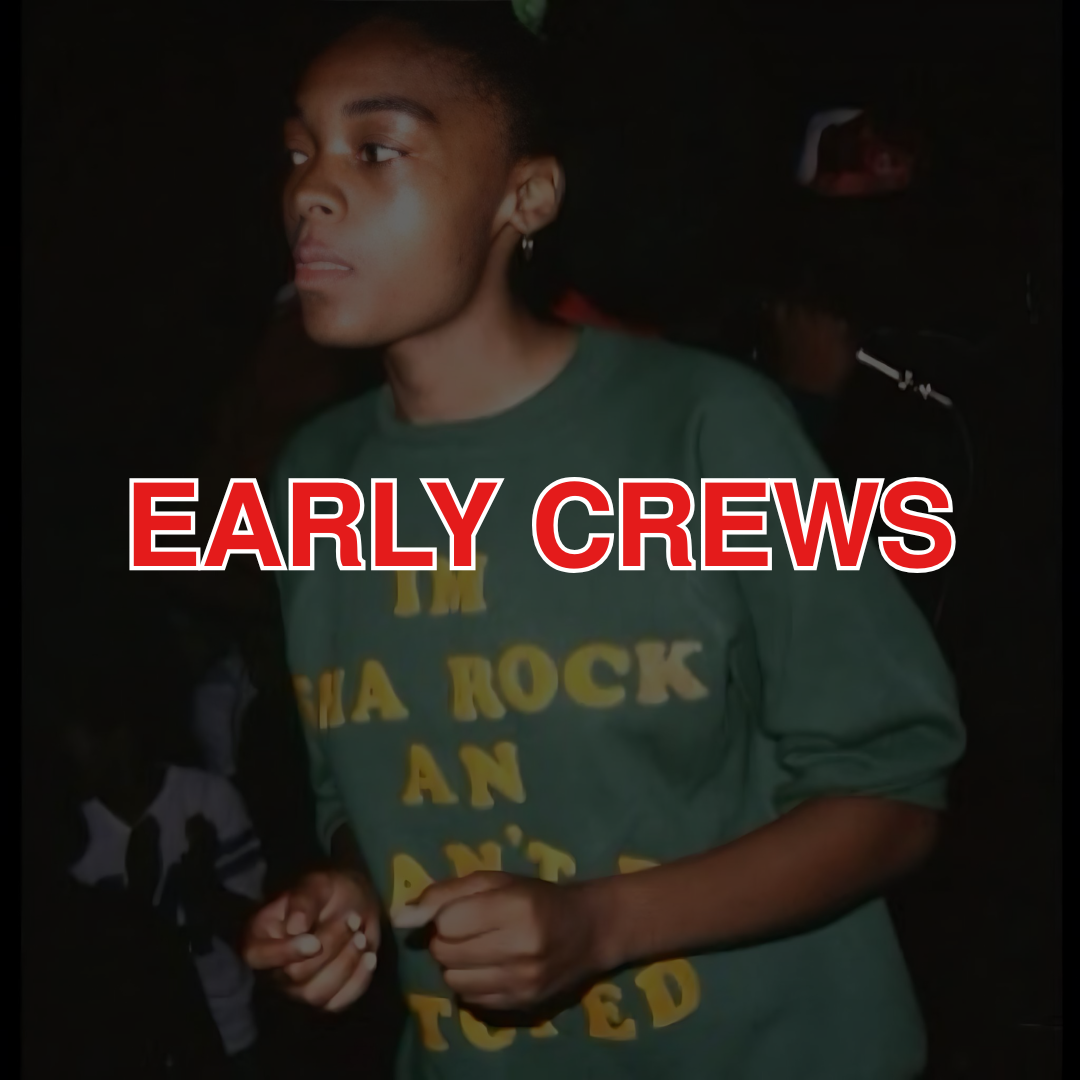
Join BCHS for an intergenerational panel discussion on the pivotal role of women in street dance, featuring early bgirls Duesy and MC Sha Rock from the 1970s as well as Peaches from Beat Street and Rokafella. This panel discussion stems from our "When The Bronx Moved: Histories of Dance, 1970–84" exhibition on display at the Museum of Bronx History through September 2026.Made possible by New York State Senator Gustavo Rivera and the New York State Council on the Arts with the support of the Office of the Governor and the New York State Legislature.
About the Exhibit
Others have long tried to define The Bronx. Since the 1960s, most media treat our borough as a stand-in for poverty, crime, urban blight, addiction, and every other social disease that afflicts the United States. But if there’s one thing we’re not, it’s that.
That’s not to say we don’t live with the scars of public and private disinvestment, racist city policies, landlord neglect and arson, white flight, and the widespread destruction of our communities in the ’70s and ’80s. But we have never defined ourselves by our wounds. Bronx elders pass on remarkable stories of folks remaining in the community during these difficult years to fight back and rebuild. We are a borough of survivors, and our history overflows with daily acts of defiance and persistence by everyday working people. And yet, we are so much more than warriors of circumstance.
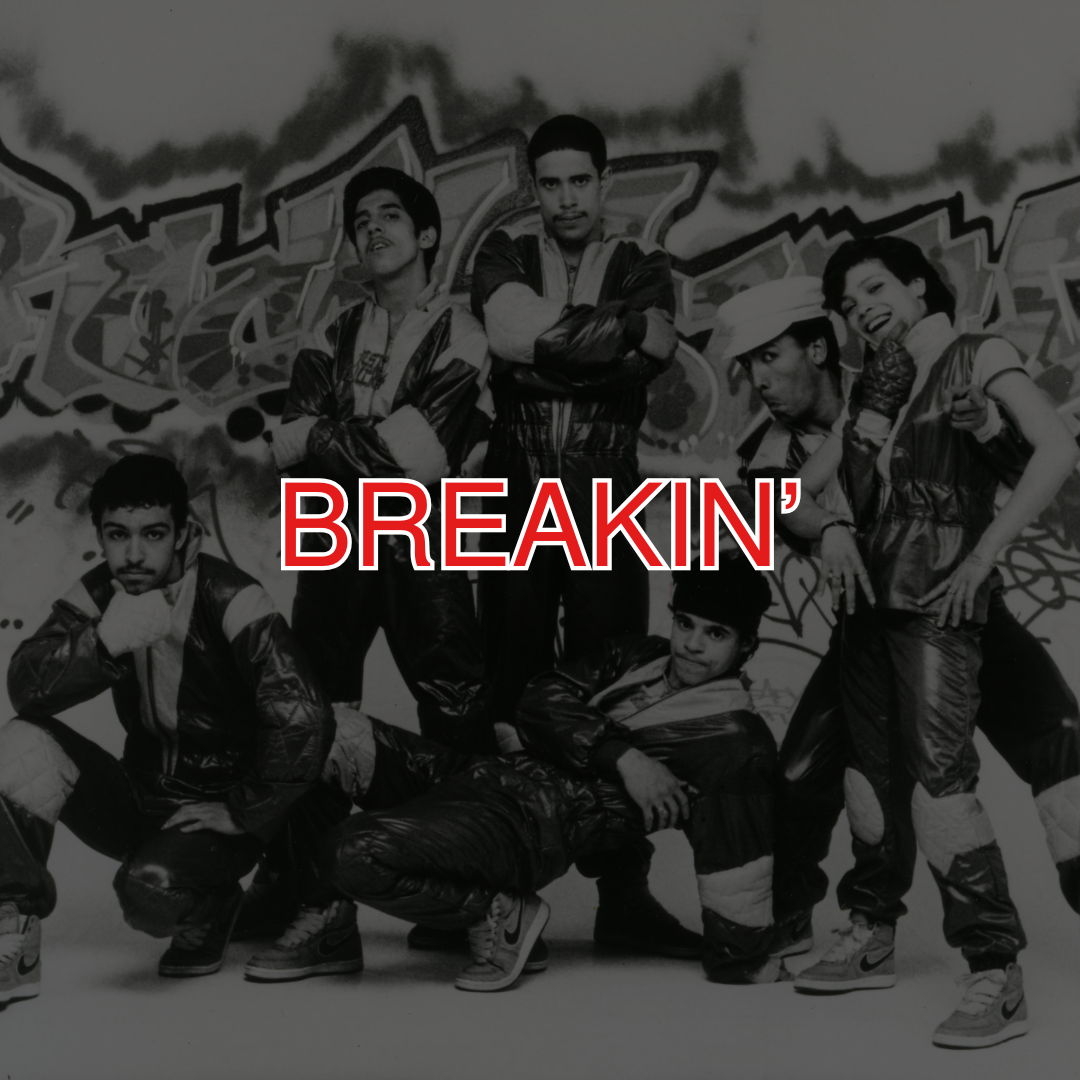
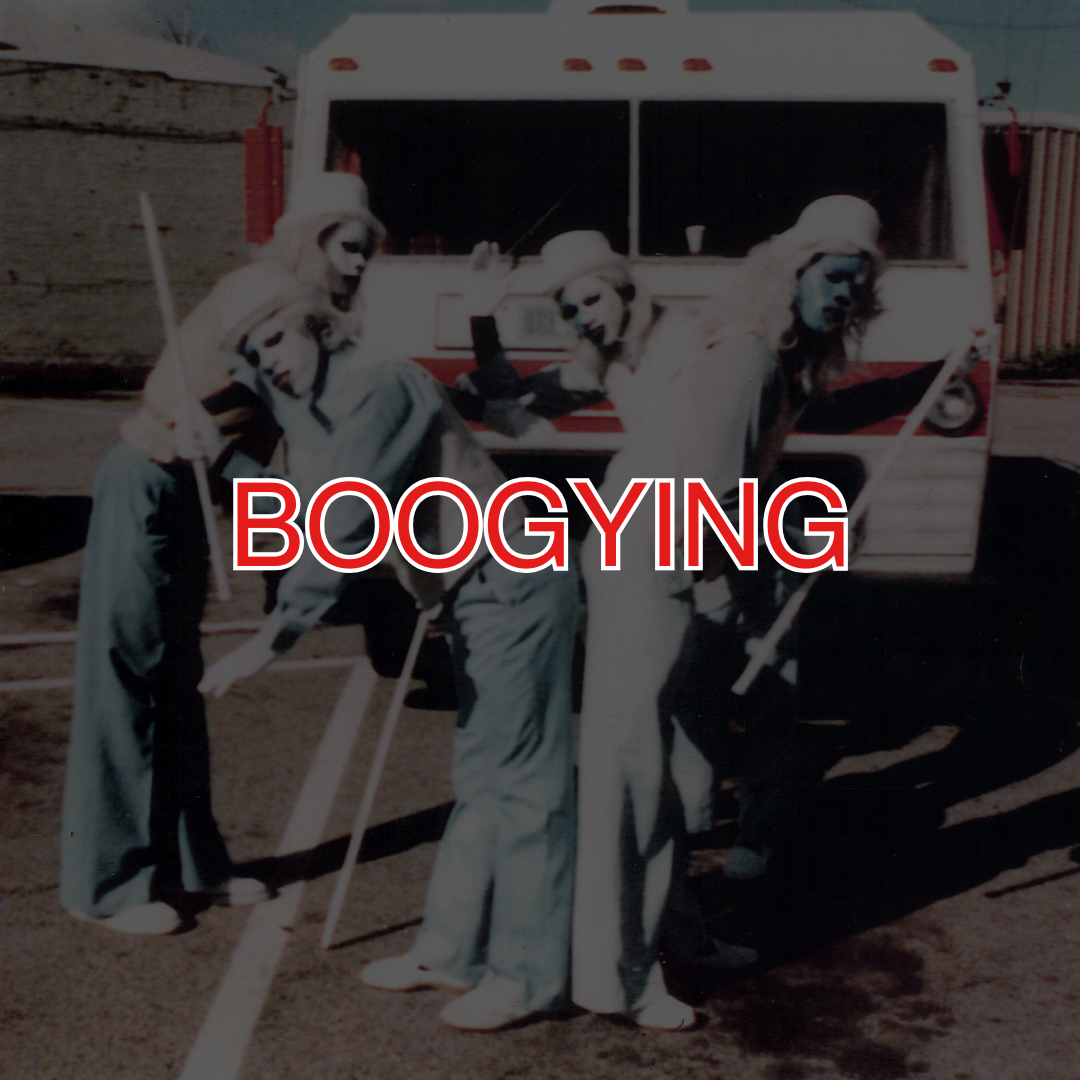
Above all, we create, we feel, we are moved. We are the Boogie Down. We define ourselves by our movement. We know how to boogie, how to get down, how to move ourselves and our communities . . . and the world in the process. During the same decades that older adults had to fight against all odds to survive, Bronx young people created not one, not two, but multiple new forms of dance—and entire musical cultures to go with them. Drawing on archival photographs, videos, flyers, posters, clothing, sound recordings, oral histories, memorabilia, and more, When The Bronx Moved: Histories of Dance, 1970–84 tells the stories of how Hustle, Rocking, Burning, Breakin’, and Boogying came to be in our borough. All of these dances built on contemporary and older Afro-Caribbean or African-American traditions of dance. But each created something fresh and unique—in promoting new combinations of human movement, to be sure, but also in encouraging the rapid development of electronic recorded music as an outlet of dance just as energizing as live music.
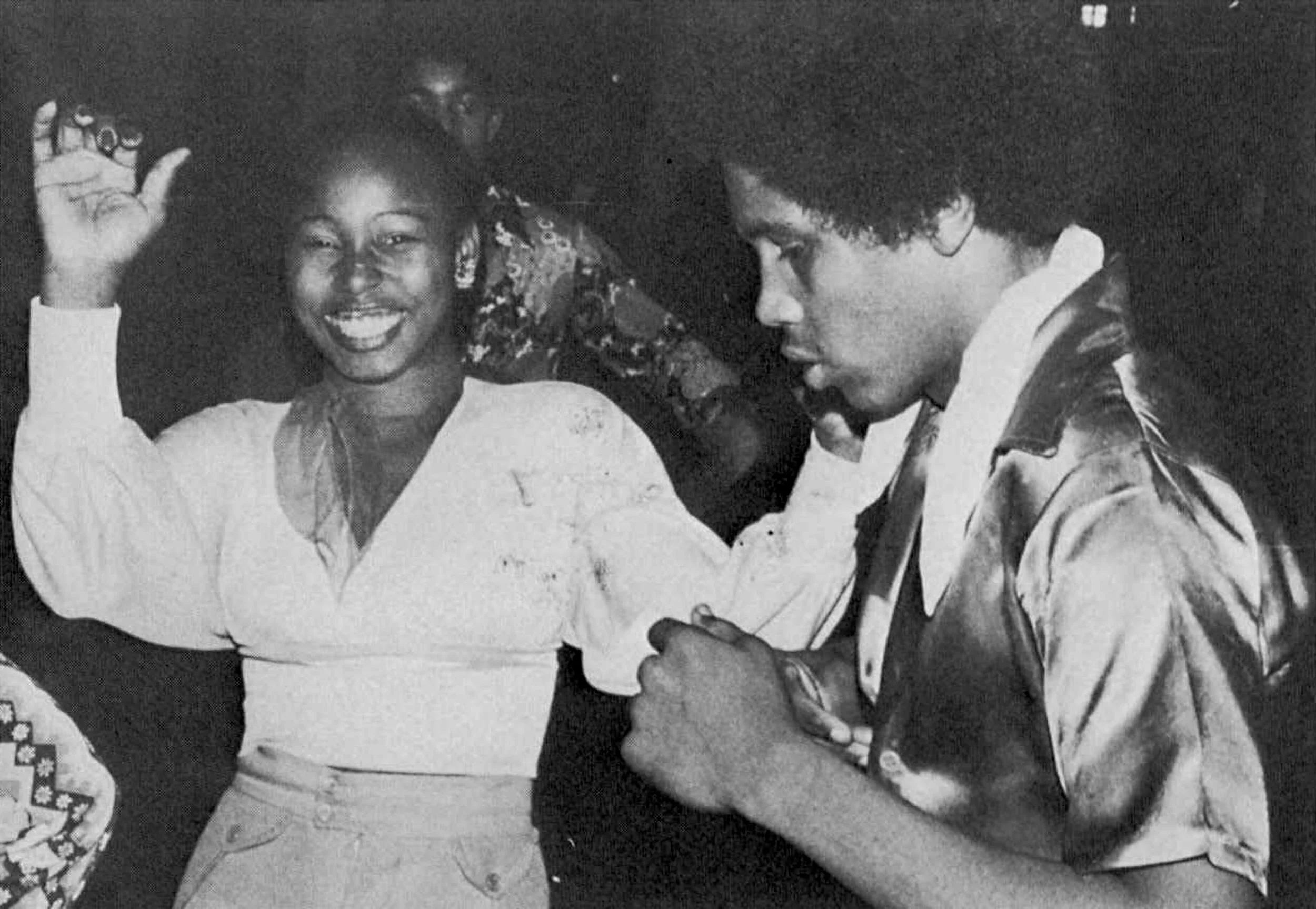
Above: Teenagers at a dance held at Morris High School in 1975. The Bronx County Historical Society Collections.
Prior to these dances, folks danced along to the radio or the record player at home or at small parties, but relying only on a turntable and vinyl records at a dance hall or a large gathering was rare. You needed a band to dance, right? Bronx teenagers of the day felt differently. Not because they couldn’t play instruments. Many did. But because they moved and grooved to a unique combination of songs, rhythms, and genres that a single band, or even a group of bands, could not possibly recreate. These are their stories: tales of teenage love, heartbreak, sweat, determination, conflict, forgiveness, creativity, and, above all, movement.
online exhibit
A small selection of items on display in the exhibit as well as a few bonus items.